What Factors Affect Polygon Tent Pricing?
Polygon tent pricing depends on several factors, including size, frame material, roof and fabric specifications, design complexity, customization, installation requirements, and location. There is no single “standard price” for a polygon tent because every project combines these variables differently. A 10-meter tent with basic PVC covers will cost far less than a 30-meter structure with glass walls, climate control, and custom branding.
Polygon tents are commonly considered for large events, exhibitions, weddings, commercial applications, and temporary covered spaces. Their distinctive multi-sided or curved roof design creates an elegant, high-peaked silhouette while providing a clear-span interior with no internal poles. Understanding what drives the final quotation helps you plan a realistic budget and compare supplier proposals on equal terms.
1. What Is a Polygon Tent?
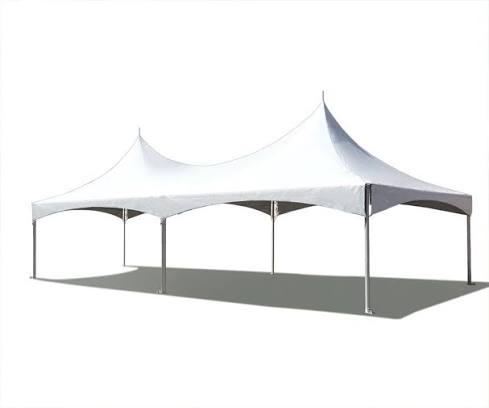
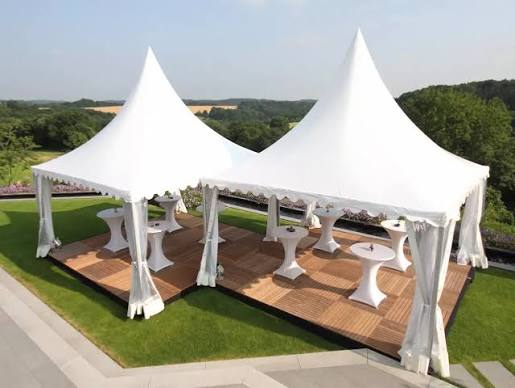
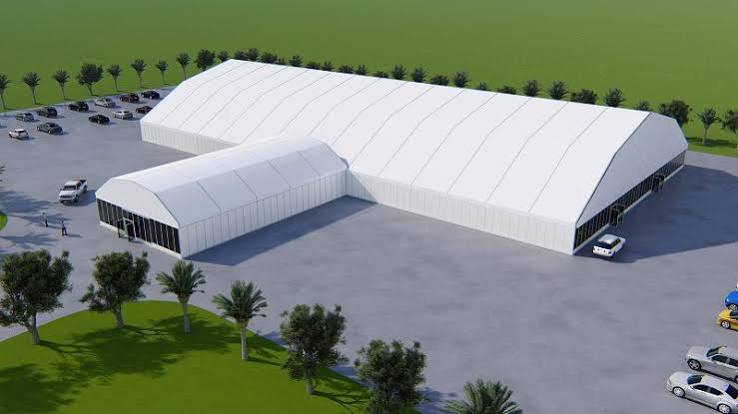
A polygon tent is a clear-span structure with a multi-sided roof, often featuring repeated high peaks or a faceted geometric profile. Unlike traditional A-frame tents, the polygon roof creates a more vertical interior volume and a distinctive architectural appearance. These structures are widely used for weddings, exhibitions, sports events, corporate functions, and temporary warehouses.
The tent’s design directly influences cost. A simple hexagonal shape with a single peak uses fewer frame components than a dodecagonal (12-sided) design with multiple peaks and complex end profiles. The more faceted and complex the roof geometry, the more precision manufacturing and specialized connectors are required.
2. Tent Size and Dimensions
Size is the most visible driver of polygon tent cost. Larger structures require more aluminum beams, more fabric, more connectors, and more labor to assemble. Key dimensions to consider include:
- Clear-span width: Polygon tents typically range from 10m to 50m or more in width. Wider spans require stronger, heavier frame profiles.
- Length: Length is usually modular, expanding in 3m or 5m bays. A longer tent multiplies material and installation costs.
- Side height and ridge height: Standard side heights are often 4m, with ridge heights varying based on roof design. Higher eave heights require longer leg components and may affect structural engineering.
- Total covered area: This determines how many guests or exhibits the tent can accommodate. Industry planning commonly uses 1 to 1.5 square meters per person for standing or seated events.
Larger tents also demand more transportation capacity—a 30m polygon tent may require multiple truckloads—and a larger installation crew with appropriate lifting equipment.
3. Frame Material and Structural Quality
The frame is the skeleton of the polygon tent and a major cost component. Most professional polygon tents use hard-pressed extruded aluminum alloy 6061/T6, known for its strength-to-weight ratio and corrosion resistance. Steel components, typically hot-dip galvanized for corrosion protection, are used for connectors and base plates.
Frame pricing varies based on:
- Profile size and thickness: Wider spans require larger, thicker aluminum profiles. A 10m tent may use a 120×68×3mm profile, while a 30m tent might require a 285×124×7.5mm profile.
- Surface treatment: Anodized aluminum offers better corrosion resistance than untreated profiles.
- Steel component quality: Hot-dip galvanized steel connectors resist rust and extend the tent’s service life.
The cheapest frame may not provide the best long-term value. A lighter profile that saves money upfront may limit wind resistance, require more frequent maintenance, or need replacement sooner.
4. Roof Fabric and Cover Quality
The fabric cover protects everything inside the tent and represents a significant portion of the quotation. Most polygon tents use PVC-coated polyester textile, with typical weights of 850g/m² for the roof and 650g/m² for sidewalls.
Specifications that affect pricing and performance include:
- Fabric weight and thickness: Heavier fabrics generally offer better durability, tear resistance, and weather protection.
- Coating and surface treatment: PVDF coatings provide self-cleaning properties and UV resistance.
- Waterproofing: High-frequency welding and sealed seams prevent leaks.
- Fire performance: Many fabrics comply with DIN 4102 B1 or M2 flame-retardant standards.
- Transparency and color: Translucent or transparent PVC panels allow natural light but may cost more than opaque white fabric. Custom colors and printed branding add further expense.
Fabric choice affects not only the initial price but also maintenance needs and expected service life.
5. Customization and Design Requirements
Standard polygon tents are available in common configurations, but most projects require some level of customization. Customization increases cost because it disrupts standard manufacturing workflows.
Common customizations that affect polygon tent pricing include:
- Non-standard dimensions: Custom spans or heights require engineering and may necessitate new frame profiles.
- Unique roof configurations: Multi-peak designs, diamond roofs, or mixed roof styles add complexity.
- Branded printing: Logo printing or full-color graphics on roof or walls requires specialized equipment and materials.
- Transparent roof or wall panels: These are popular for natural lighting but cost more than standard opaque fabric.
- Special entrances: Glass doors, double-door units, or custom access points add hardware and installation time.
- Interior partitions: Dividing the tent into separate areas requires additional frame components and fabric.
- Insulation requirements: For climate-controlled events in extreme temperatures, insulated walls or roof liners may be necessary.
More complex designs generally require additional manufacturing time and may have higher minimum order quantities.
6. Flooring, Sidewalls, and Additional Features
The base tent quotation typically covers the frame and basic roof and sidewall fabric. Many customers require additional features that significantly increase the total project cost:
- Flooring systems: Options include wooden floors with timber sub-structures, aluminum cassette floors, or simple ground covers. Flooring is especially important for events on uneven ground or when a clean, finished surface is needed.
- Hard walls: Glass walls, ABS hard walls, or sandwich panels provide better insulation, security, and appearance than PVC sidewalls.
- Doors and access systems: Rolling doors, glass doors, or emergency exits must comply with local safety codes.
- Lighting and electrical: Interior lighting, power distribution, and control systems require planning and installation.
- Air conditioning and ventilation: For large tents or extreme climates, ducted HVAC systems may be essential.
- Interior decoration: Linings, curtains, ceiling drapes, and staging add cost but transform the tent’s atmosphere.
A fully equipped polygon tent can cost several times more than the base structure alone.
7. Transportation and Installation Costs
Polygon tent installation cost varies significantly based on site conditions and logistics. The same tent may receive different installation quotations at different locations because of:
- Distance: Transportation from the supplier’s facility to the site, especially for long-distance or cross-border deliveries.
- Site accessibility: Narrow roads, low bridges, or restricted access can require special transport arrangements.
- Ground preparation: Concrete surfaces, uneven terrain, or slopes may require different anchoring methods or surface preparation.
- Anchoring requirements: Ground stakes work on soil or grass, but concrete surfaces require weighted anchors, drill-in anchors, or ballast systems.
- Installation crew size: Larger tents require more workers, and specialized crews may be needed for complex structures.
- Equipment needs: Cranes, forklifts, or scaffolding may be necessary for large or high installations.
- Dismantling and removal: For temporary installations, dismantling labor and transport back to storage are additional costs.
Installation typically accounts for 20% to 40% of a project’s total cost, depending on complexity and location.
8. Weather and Safety Requirements
Local weather conditions directly influence the structural specifications required, which in turn affect polygon tent pricing. Areas with high wind exposure require stronger frames, heavier anchoring, and additional engineering. Snow-prone regions need roof designs and frame profiles that can support snow loads.
Safety-related cost factors include:
- Wind-load engineering: Tents may be engineered for specific wind speeds based on local conditions. A higher wind rating requires a stronger, more expensive structure.
- Anchoring systems: The type and quantity of anchors needed depend on expected loads and ground conditions.
- Rainwater management: Gutter systems and proper roof pitch prevent water accumulation and leaks.
- Fire-safety compliance: Flame-retardant fabrics and clear exit paths may be required by local authorities.
- Inspection and permits: Some jurisdictions require structural calculations, fire certifications, and inspection before occupancy.
Always verify applicable engineering requirements and local authority regulations with a qualified professional. Requirements vary by region and intended use.
9. Buying vs. Renting a Polygon Tent
Deciding between purchase and rental depends on how often you need the tent and your long-term plans.
Buying may make sense when:
- You require the tent repeatedly throughout the year.
- You plan to use it for multiple seasons or as a semi-permanent structure.
- You want to customize the tent’s design, branding, or features without rental restrictions.
- You have adequate storage space and maintenance capabilities.
Renting may be more practical when:
- You need the tent for a single event or a short period.
- You want to avoid storage, maintenance, and transportation responsibilities.
- You need a specialized structure that you would not use again.
- Your budget is focused on the event itself rather than asset ownership.
The lowest initial price is not always the lowest total cost. A cheap tent that requires frequent repairs or replacement may cost more over time than a higher-quality structure with a longer service life.
10. How to Get an Accurate Polygon Tent Quote
To receive a meaningful quotation, share complete project information with potential suppliers. A detailed brief helps them provide accurate pricing and reduces the risk of hidden costs later.
Provide the following information:
- Required dimensions: Clear-span width, length, side height, and any height restrictions.
- Event or commercial purpose: Wedding, exhibition, warehouse, sports event, etc.
- Installation location: City, country, and specific site details (surface type, access, obstacles).
- Expected usage duration: One-time event, seasonal use, or permanent installation.
- Preferred frame and fabric specifications: Aluminum grade, profile size, fabric weight, and color preferences.
- Required walls, flooring, and accessories: Glass walls, doors, flooring, lighting, HVAC, etc.
- Branding or customization requirements: Logos, printed graphics, custom colors.
- Delivery and installation expectations: Who is responsible for transport, setup, and dismantling?
Request itemized quotations that break down the frame, fabric, accessories, transportation, and installation separately. Compare specifications, not just total price. A cheaper quote may use lighter materials or exclude essential components.
11. Final Thoughts
Polygon tent pricing is determined by the complete project requirements, not simply the tent’s footprint. Size, frame quality, fabric specifications, customization, installation logistics, and local conditions all contribute to the final quotation. Choosing suitable materials, design, and installation services helps you balance budget, performance, and long-term value.
Before committing, clarify your needs, obtain multiple itemized quotes, and verify that each supplier’s proposal includes comparable specifications. A well-planned polygon tent investment delivers reliable shelter, visual impact, and lasting utility for your events or commercial operations.