
Best Desert Tent for Blowing Sand and Dust
Introduction
Camping in the UAE’s desert offers an incredible experience—starlit skies, peaceful dunes, and a genuine escape from city life. However, ordinary camping tents often struggle in these conditions. Fine sand can find its way through the smallest gaps, dust storms can appear suddenly, and the combination of heat, wind, and shifting terrain demands a more capable shelter . Choosing the right tent for these conditions means understanding what actually works when the wind picks up and the sand starts to fly.
What Makes a Tent Good for Blowing Sand and Dust?
A tent designed for desert conditions needs to address several specific challenges. First, the fabric should be tightly woven or durable enough to block fine particles. Look for materials like 210D Oxford with PU coating, which offers a balance of durability and weight . Secure zippers and closures are essential—sand can work its way into cheap zippers, rendering them useless. Low-level openings that reduce sand entry, sealed seams, and sand skirts where appropriate all contribute to keeping the interior usable.
The shape matters too. Aerodynamic designs—such as dome or conical structures—allow wind to flow around the tent rather than pushing against a flat surface . Strong poles and a reliable anchoring system are non-negotiable. A tent that lacks proper anchoring can become a hazard in sudden gusts.
Which Tent Shape Is Best for Desert Wind?
The shape of your tent significantly affects its performance in windy, sandy conditions.
Dome tents are a solid choice for most desert campers. Their curved, aerodynamic profile sheds wind effectively, and the design naturally creates tension across the fabric, which helps prevent flapping . Tunnel tents can also work well, particularly if pitched with the rounded end facing into the prevailing wind.
Low-profile tents sit closer to the ground, reducing wind exposure and making them harder to displace. They typically offer less headroom, but the stability trade-off can be worthwhile in exposed locations.
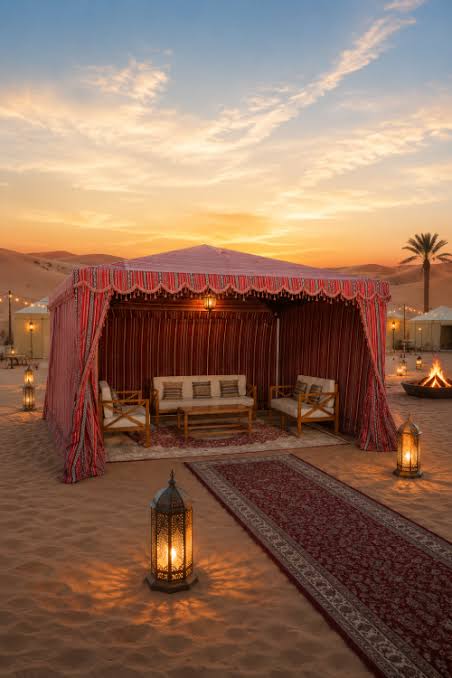
For larger setups like glamping or commercial applications, Bedouin-style tents (beit al-sha’ar) made from woven goat hair offer surprising advantages. The breathable weave allows warm air to escape while the tent walls block direct sun and wind, and the matte surface doesn’t attract static-charged sand particles the way smooth synthetic fabrics do .
Best Materials for a Desert Tent
The material you choose affects everything from durability and weight to ventilation and lifespan in harsh conditions.
Polyester (Oxford fabric) is the most common choice for mid-range desert tents. It’s lightweight, affordable, and available with UV-resistant and waterproof coatings. A tent like the Mirage-XL uses premium 420D Polyester Oxford with a PU waterproof coating (≥3000mm), mold resistance, and breathable construction .
Canvas (polycotton or cotton) offers excellent breathability and insulation. It keeps the interior cooler during the day and warmer at night, but it’s significantly heavier and takes longer to dry if wet.
PVC-coated fabrics are heavy-duty and fully waterproof, making them suitable for semi-permanent or commercial structures. However, they can become hot and stuffy without proper ventilation.
In the UAE’s intense sun, UV resistance is critical. A tent with a silver-coated reflective layer can keep the interior 5-8°C cooler than standard dark tents—a significant difference during daytime desert excursions .
How to Keep Sand and Dust Out of Your Tent
Even the best tent won’t stay clean if you don’t use it properly. Here are practical tips to minimise sand intrusion:
- Position your tent entrance away from the prevailing wind. This single step can drastically reduce the amount of sand blowing inside.
- Keep doors and vents closed during dust storms. Many tents have adjustable vent panels—learn how to close them quickly.
- Use a groundsheet that extends slightly beyond the tent floor to create a barrier against sand creeping underneath.
- Secure loose fabric with guy ropes, and keep the tent taut. Flapping fabric can loosen zippers and create gaps.
- Clean zippers and seams regularly—sand acts like sandpaper on zipper teeth and can cause premature failure.
How to Anchor a Tent in Soft Desert Sand
Ordinary tent stakes often fail in soft, shifting sand. To keep your tent secure, consider these methods:
Sand stakes are a good starting point. These are wider than regular stakes and designed to hold in loose terrain . For best results, drive them in at a 45-degree angle, pointing away from the tent.
Deadman-style anchors are an effective alternative. This involves burying an anchor—such as a stuff sack filled with sand, a large rock, or a purpose-made sand anchor—below the surface, with the guy line attached. The weight of the sand above it provides substantial holding power .
For larger structures like Bedouin tents, traditional methods include using long ropes tied to heavy rocks or sandbags. The principle is the same: spread the load and use the weight of the sand to hold the tent in place.
Best Desert Tent for Different Uses
- Solo or couple camping: A 3–4 person dome tent with a lightweight frame and sand stakes. Look for models like the hexagonal pop-up tent that features 6 anchor points for 50% more stability than traditional 4-sided designs .
- Family camping: A larger dome or tunnel tent with multiple rooms, proper ventilation, and UV protection. The pop-up family tents with 210D Oxford fabric are a popular choice for UAE desert trips .
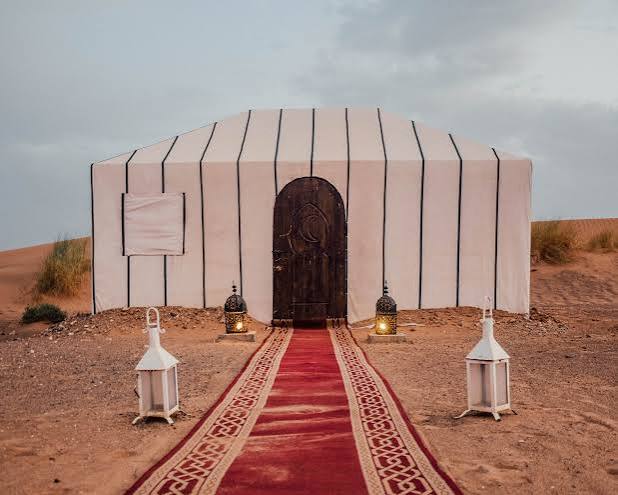
- Glamping/luxury camping: High-quality canvas tents (like Bedouin-style goat hair tents or premium glamping setups). These offer excellent breathability, temperature regulation, and authentic desert aesthetics .
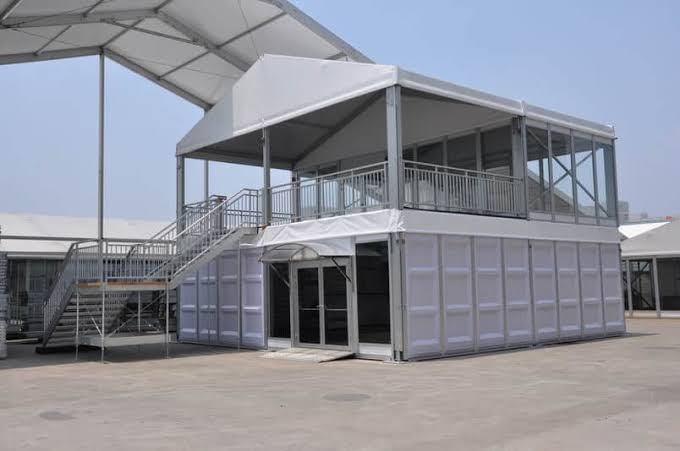
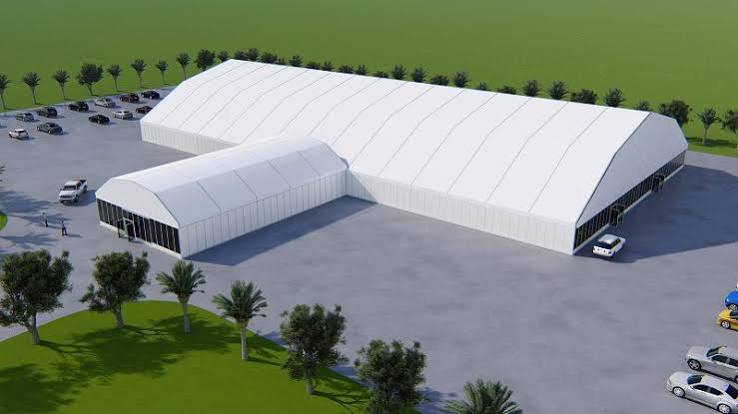
- Desert events/commercial: Heavy-duty PVC or canvas structures with industrial-strength frames and professional anchoring systems. These are designed for prolonged use and extreme weather exposure.
Final Verdict
Choosing a tent for blowing sand and desert wind comes down to a few key priorities. Focus on durable, tightly woven fabric with UV resistance; a low-profile or aerodynamic shape; secure zippers and closures; a reliable anchoring system suited to soft sand; and adequate ventilation that can be sealed when needed. In the UAE’s challenging desert environment, the right tent makes the difference between a comfortable night under the stars and a frustrating battle against the elements. Invest in quality, practice your setup, and always follow manufacturer guidelines for anchoring and weather safety.