What factors affect double-decker tent prices?
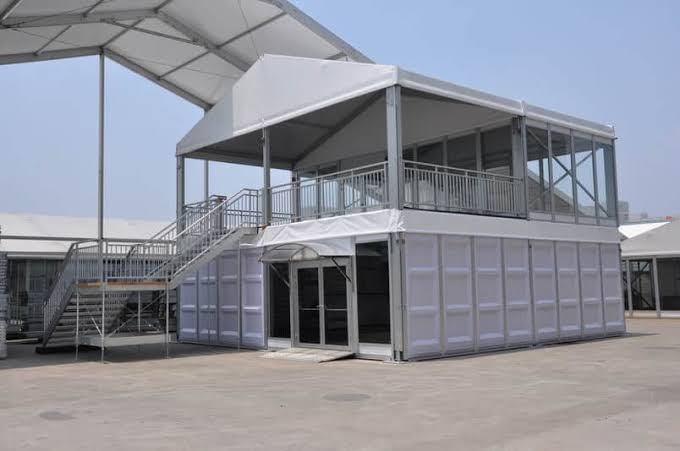
Double-decker tents are specialized structures designed with two usable levels within a single footprint. They are commonly used for exhibitions, sporting events, VIP hospitality, corporate functions, and large outdoor gatherings. In the UAE, these tents help businesses and event organizers create additional usable space without requiring a larger ground area.
However, double-decker tent prices vary depending on the design, materials, dimensions, structural requirements, and installation services. Understanding these factors helps buyers compare quotations and select a tent that meets their project requirements.
1. Tent Size and Overall Dimensions
The size of a double-decker tent is one of the main factors affecting its price. Larger structures generally require more materials, stronger supporting components, and additional installation work.
The required dimensions depend on the number of guests, intended activities, furniture arrangements, and available space. For example, a tent designed for a small VIP lounge may have different requirements from one intended for a large exhibition or sporting event.
The ground-floor area and upper-deck area should both be considered when comparing designs. A larger upper level may require additional structural support and more extensive flooring.
Buyers should determine how much usable space they need on each level before requesting a quotation.
2. Frame Material and Structural Design
The supporting frame plays an important role in the safety, durability, and cost of a double-decker tent.
Common structural materials include steel and aluminium, with the choice depending on the design and intended application.
Aluminium structures: Aluminium is often used in event structures because it is relatively lightweight and resistant to corrosion. Its suitability depends on the dimensions, connections, and engineering design.
Steel structures: Steel provides high structural strength and can be suitable for demanding applications. However, the structure’s weight, fabrication requirements, and corrosion protection must be considered.
A double-decker tent requires a structural system capable of supporting both levels, occupants, furniture, and other expected loads. The design must also account for wind forces and the conditions at the installation site.
More complex structural requirements can increase fabrication and engineering costs.
3. Upper-Deck Flooring and Load Capacity
Unlike a standard single-level tent, a double-decker tent includes an elevated floor that must safely support people, furniture, equipment, and other loads.
The flooring system may use engineered structural panels or other materials selected for the particular design. Its cost depends on the floor area, material specifications, support arrangement, and finishing requirements.
Load capacity is particularly important when the upper level will accommodate dining areas, VIP lounges, exhibition equipment, or large groups of people.
The upper deck must be designed and verified by qualified professionals. Increasing its usable area or intended occupancy may require a different structural design and additional support components.
4. Staircases, Railings, and Safety Features
Staircases and protective railings are essential components of a double-decker tent. They provide access between levels and help protect occupants from falls.
The price can vary according to the staircase design, width, materials, number of access points, and finishing details. Decorative staircases or premium railing systems may cost more than simpler designs.
Other safety-related components may include emergency exits, access routes, fire-safety equipment, and suitable lighting.
These features should be considered during the initial design rather than added as an afterthought. The structure must comply with the applicable safety and approval requirements for its intended use.
5. Tent Fabric and Roofing Quality
The tent’s exterior covering affects its appearance, weather resistance, and overall price.
Depending on the design, coverings may include PVC-coated fabric or other materials suitable for temporary or semi-permanent structures. Different materials offer different levels of durability, UV resistance, water resistance, and maintenance requirements.
Higher-specification fabric may increase the initial cost but can be appropriate for projects requiring greater durability or repeated use.
For outdoor installations in the UAE, the covering should be selected with consideration for high temperatures, strong sunlight, dust, and wind exposure.
The roof design and its connection to the supporting structure must also be appropriate for the project.
6. Interior Finishing and Customization
Interior finishing can significantly influence the final price of a double-decker tent.
A basic structure may include the essential framework, flooring, and covering, while a customized installation may include additional decorative and functional features.
Common options include:
- Decorative wall panels and branded graphics
- Premium flooring and carpet
- LED lighting and electrical fittings
- Air conditioning and ventilation
- Furniture and VIP seating
- Glass panels or upgraded railings
- Custom colours and finishes
For example, an exhibition tent with branding, display areas, lighting, and presentation equipment will have different requirements from a basic hospitality structure.
The more customized the design, the more fabrication, coordination, and installation work may be required.
7. Installation, Transportation, and Site Conditions
The cost of delivering and installing a double-decker tent depends on the project location and the complexity of the site.
Transportation costs may vary according to the structure’s size, the distance from the supplier, and the equipment required to move its components.
Installation may involve specialized lifting equipment, trained workers, assembly teams, and site supervision. Large or complex structures can require more time and coordination than smaller installations.
Site access is another consideration. Restricted working areas, uneven ground, limited vehicle access, and additional preparation can increase the work required.
Before confirming the project, buyers should check whether the quotation includes transportation, installation, dismantling, and removal.
8. Engineering, Permits, and Approvals
Double-decker tents require careful structural planning because the elevated level introduces additional loads and safety considerations.
Depending on the project, costs may include structural calculations, engineering documentation, inspections, and approval-related services.
In the UAE, requirements can vary according to the emirate, venue, event type, and intended use. Exhibition venues and event organizers may also have specific rules concerning structural approval, maximum height, fire safety, access, and emergency arrangements.
These requirements should be confirmed before fabrication or installation begins. A design that meets one venue’s requirements may not automatically be accepted at another location.
9. Rental Duration and Reuse Requirements
The intended period of use can also affect the overall cost.
For a temporary event, buyers may choose to rent a double-decker tent rather than purchase the entire structure. Rental quotations may include some combination of delivery, installation, dismantling, and support services.
For repeated events or long-term use, purchasing may be considered. The decision depends on the frequency of use, storage arrangements, maintenance requirements, and the cost of transporting and installing the structure repeatedly.
Buyers should compare the full cost of each option rather than looking only at the initial rental or purchase price.
How Can You Compare Double-Decker Tent Quotations?
When comparing quotations in the UAE, ensure that each supplier is pricing a similar specification.
Check the total dimensions, upper-deck area, frame material, flooring, staircase, railings, covering, finishing, and intended load capacity. Confirm whether engineering, permits, transportation, installation, air conditioning, and dismantling are included or charged separately.
A detailed quotation makes it easier to understand differences between suppliers and identify which services are included in the proposed price.
Conclusion
Double-decker tent prices in the UAE depend on several factors, including size, structural materials, upper-deck design, safety features, fabric quality, customization, installation, and approval requirements.
The most suitable option is not necessarily the cheapest one. Buyers should consider the structure’s intended use, safety, durability, and total project cost when making their decision.
By defining the required specifications and obtaining a detailed quotation from an experienced supplier, businesses and event organizers can choose a double-decker tent that meets their space requirements and operational needs.
Frequently Asked Questions
1. Why are double-decker tents more expensive than standard tents?
They require an elevated floor, additional structural support, stairs, railings, and more extensive engineering and safety checks.
2. Does tent size affect the price?
Yes. Larger structures generally require more materials, structural components, flooring, and installation work.
3. Does air conditioning increase the cost?
Yes. Air conditioning can add equipment, electrical, installation, and operational costs, particularly when both levels require cooling.
4. Are permits included in the quoted price?
Not always. Buyers should confirm whether engineering documents, venue approvals, permits, and inspections are included.
5. Is renting a double-decker tent cheaper than buying one?
Renting may be more suitable for occasional events, while purchasing may be worth considering for repeated or long-term use. The better option depends on the total cost and frequency of use.